


City of Winnipeg Animal Services Agency Kennel
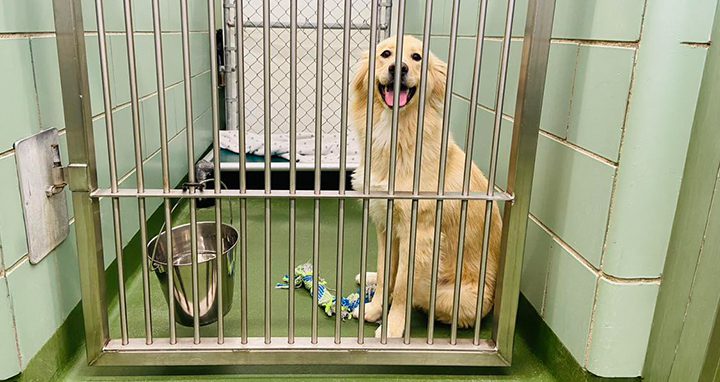
Location: Winnipeg, Manitoba
Owner/Operator: City of Winnipeg Animal Services Agency
How HGC Improved Interior Noise Levels in a Winnipeg Municipal Animal Welfare Kennel
The Winnipeg Animal Services Agency is a city agency that provides services for lost and found pets, manages the pet licensing program, and cares for adoptable dogs.
The City of Winnipeg engaged HGC Noise Vibration Acoustics to assess the interior acoustics of the Kennel Room at the Animal Services Agency Centre on Logan Avenue. The facility houses dogs in an active, acoustically reflective environment where barking and vocalization can cause elevated interior sound levels. Staff noted that noise buildup within the space was contributing to acoustic discomfort and operational inefficiencies. The City sought a practical, facility-appropriate strategy to bring reverberation levels to a range more conducive to animal care and staff well-being.
Reverberation Challenges in Animal Shelters and Kennel Buildings
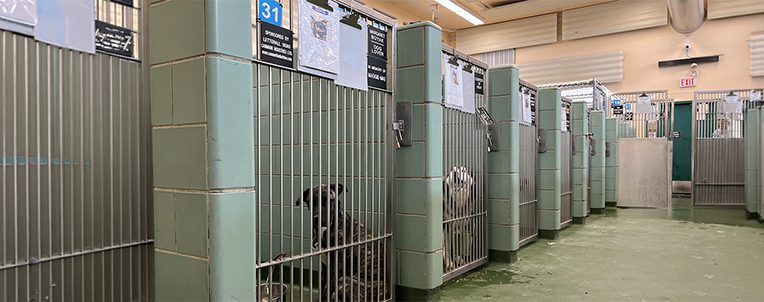
HGC carried out a reverberation assessment informed by the architectural drawings for the space and the interior finish information provided. The Kennel Room is primarily constructed of concrete, glass, metal and painted drywall—surfaces that are highly reflective to sound. Metal acoustic panels had previously been installed on portions of the ceiling and upper walls in an attempt to address the acoustic challenges, however sound level concerns continued from staff.
Acoustical Modelling for Kennel Room Noise Reduction
HGC developed an acoustical model of the space to evaluate the existing reverberation behaviour and to determine the scope of additional treatment required to achieve a target reverberation time of approximately one second across mid-frequency bands (typically relevant to dog vocalization). This performance target aligns with industry standards for similar animal-care environments where continuous vocal noise can otherwise accumulate and create a stressful environment.
Recommended Noise Control Measures for the Kennel Room
The analysis confirmed that the Kennel Room would produce long reverberation times due to the abundance of acoustically hard finishes. The existing acoustic solutions provided meaningful improvement but did not meet the desired acoustic performance. HGC identified the approximate area of absorptive acoustic treatments that could be added to both wall and ceiling surfaces to achieve the desired reverberation performance, with the recommendation that new materials carry a high Noise Reduction Coefficient to ensure the required absorption could be achieved within the available surface area.
Creating a Healthier Acoustic Environments for Kennel Animals and Welfare Staff
The analysis also highlighted that while recommended additional treatments will produce measurable improvements, there is a point of diminishing returns due to the existing acoustic treatment. HGC proposed that additional operational or architectural strategies such as subdividing the kennel area into smaller, enclosed zones, should also be considered if further noise mitigation was required.
HGC’s recommendations provided the Animal Services Agency with a clear, practical pathway to reduce reverberation within the Kennel Room, with benefits that would also extend to staff comfort, communication, and animal well-being.
HGC Noise Vibration Acoustics Services Provided Included:
- Review of interior finishes and existing kennel room acoustic conditions
- Development of a predictive reverberation model
- Assessment of existing acoustic treatment performance
- Determination of required additional absorption for reverberation control
- Recommendations for treatment placement, NRC performance and implementation considerations

